James Casteel
Assistant coach · July 2, 2025
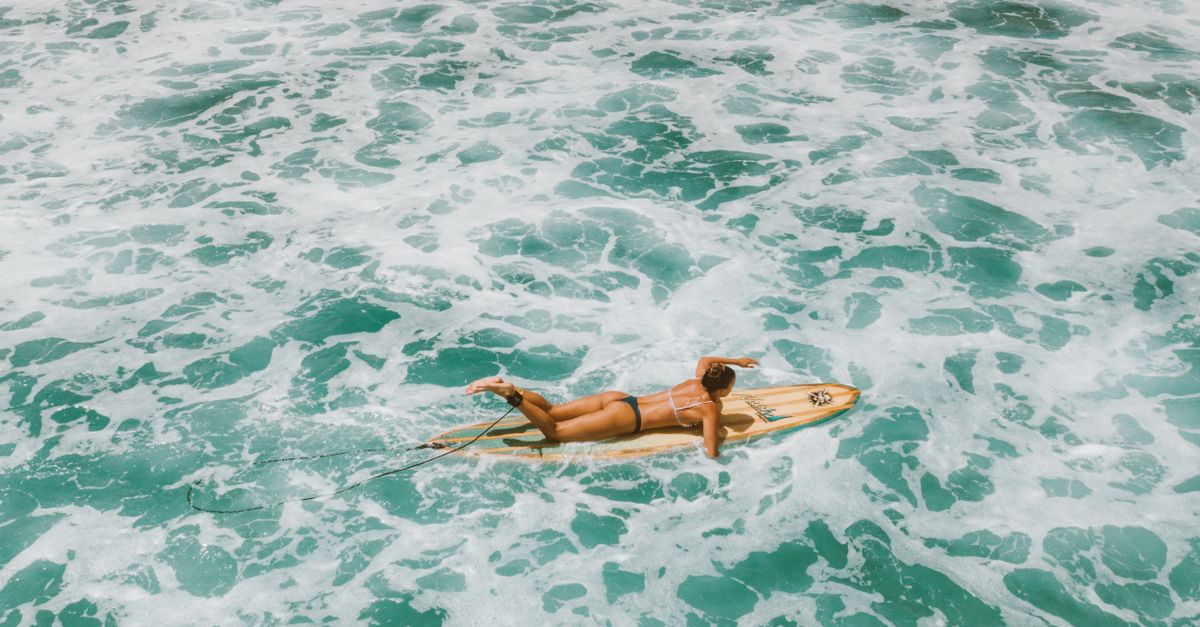
Sea stress is the specific fatigue that arrives when the water is moving and you are not in control of it. It is not the same as being unfit. Paddlers who can hold a steady pace in a flat-water session often fall apart in a confused chop within twenty minutes, because the body is being asked for balance, timing and power at the same time.
The good news is that this is trainable, and the training starts before you get on the water.
Learn the environment before you fight it
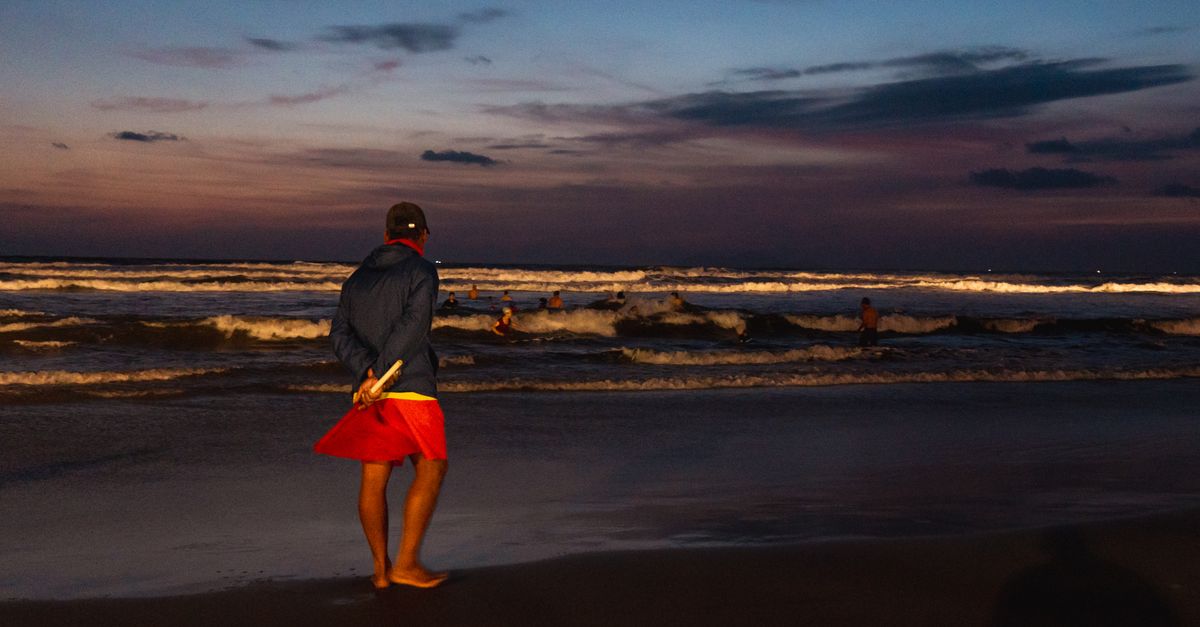
Spend ten minutes watching the water from the shore. Identify the direction of the swell, where the sets break, and where the wind is pushing the surface. A paddler who understands the pattern can use it instead of resisting it. Most sea stress in beginners comes from trying to hold a heading the water is not going to allow.
Widen your base and loosen your grip
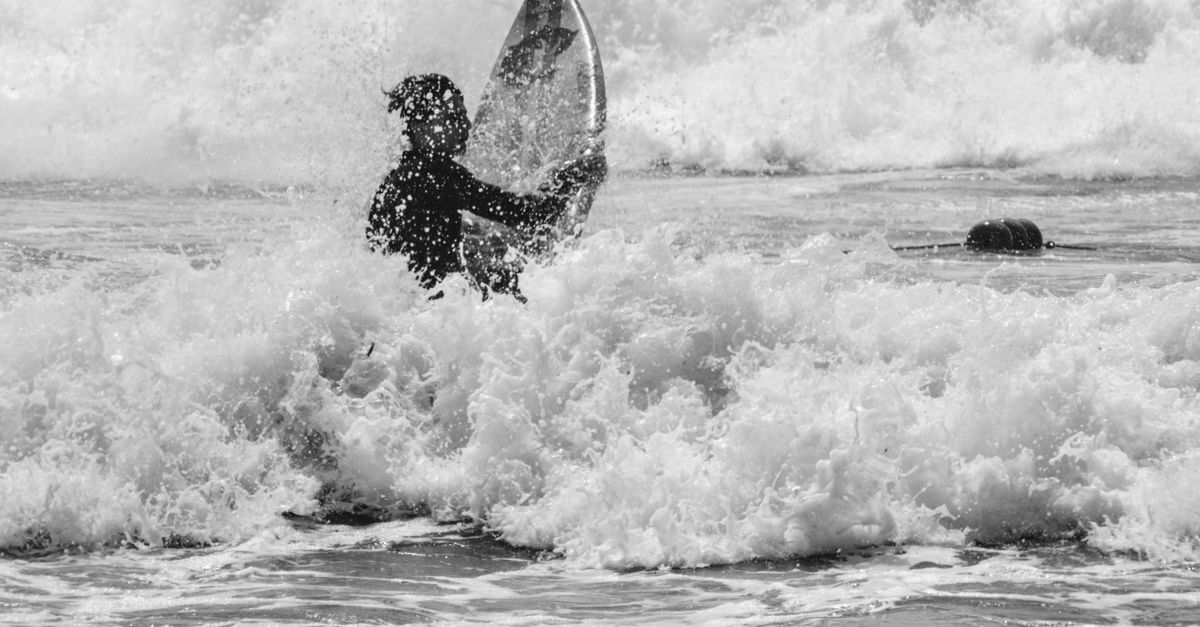
Balance begins in the hips, not the arms. A slightly wider stance, knees soft, weight through the middle of the board, and a relaxed grip on the paddle shaft will do more for stability than any amount of arm strength. Grip tension is the fastest route to forearm fatigue in a bumpy crossing.
- Watch the water for ten minutes before launching.
- Choose a heading that works with the swell, not against it.
- Widen the stance, soften the knees, relax the hands.
- Breathe out on the catch; do not hold your breath through the stroke.
- Build a short interval set in chop before your first long crossing.
Train the chop in short blocks
Two minutes hard into the swell, one minute easy, six times. Short blocks teach your nervous system to recover while still balancing, which is exactly the demand of a real crossing. Do this in supervised, waist-to-chest-deep water first. Confidence built in shallow water transfers remarkably well.
Finally, respect the psychological side. Sea stress is often a fear of capsizing rather than the effort itself. Practise falling in and getting back on, deliberately, in a safe place. Once falling in stops being an emergency, the water becomes much easier to enjoy, and your posture relaxes enough to make you genuinely more stable.