James Casteel
Assistant coach · July 2, 2025
Water sports have a strange safety profile: the skills that make you good at them are not the skills that keep you alive. A strong swimmer can still be caught by a rip, and an experienced paddler can still be separated from a boat by a single gust. What keeps people safe is a routine that runs before anything exciting happens.
Check the forecast twice, then check the water
Read the forecast the night before and again on the morning. Look at three things: wind speed and direction, the tide or river level, and the thunderstorm risk for the hours you will actually be out. Then look at the water with your own eyes. Offshore wind is the classic trap, because the surface looks flat and inviting while the return journey becomes the hard part.
Wear the kit even when the water looks friendly
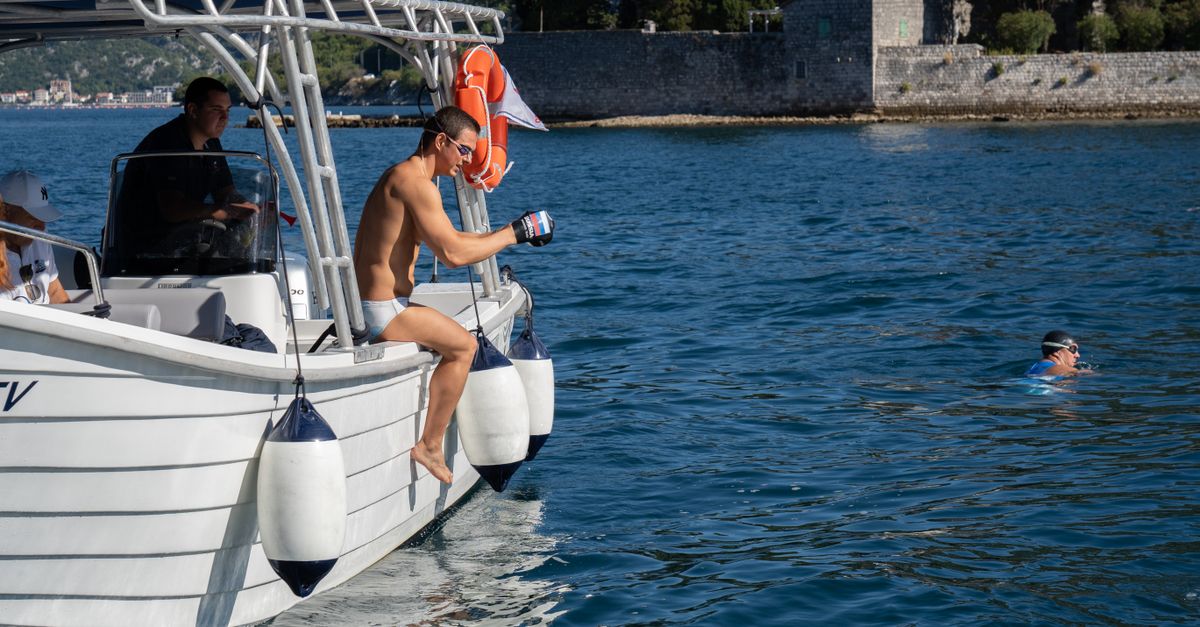
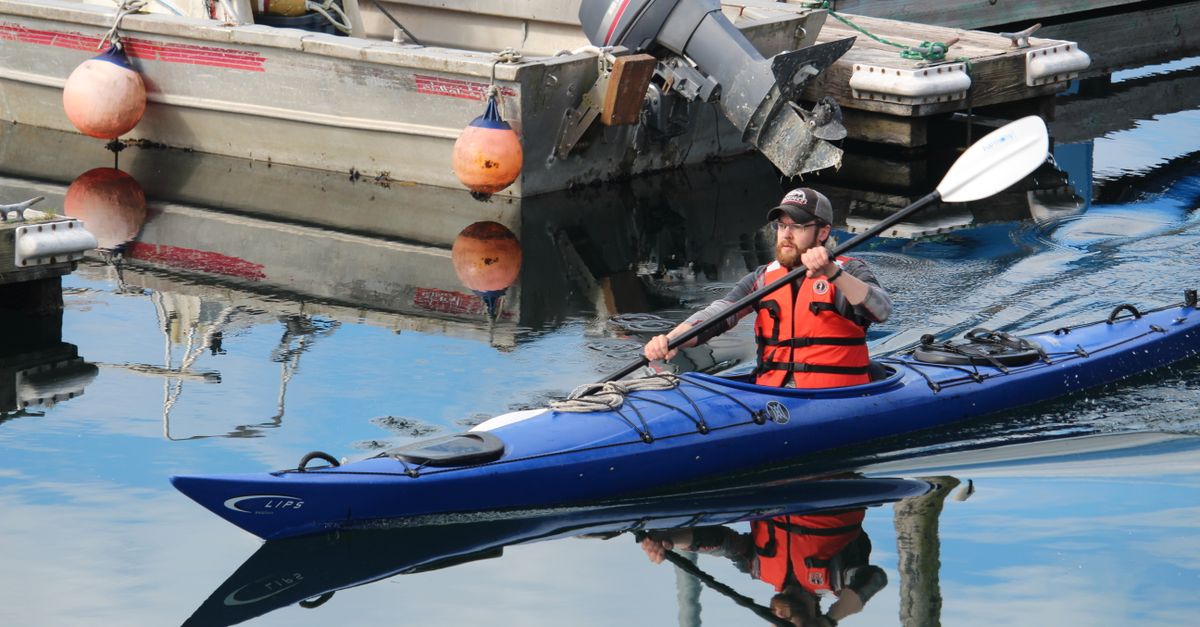
Buoyancy aids and leashes feel unnecessary on a calm day, which is exactly why people are not wearing them when conditions change. Fit the aid so it cannot ride up over your head, and check it every season. If you paddle alone, tell someone your route and your return time, and give that person permission to raise the alarm.
- Read the forecast twice: the evening before and the morning of.
- Identify the escape route to shore before you launch.
- Wear a fitted buoyancy aid at all times on the water.
- Carry a means of communication in a waterproof case.
- Never combine cold water, alcohol and a long swim.
Practise the rescue you hope never to need
Self-rescue is a skill, and it decays. Once a month, in shallow, supervised water, practise getting back onto your board or re-entering your kayak. Practise floating on your back and calling for help. Practise towing a partner. These are five-minute drills that restore the most important safety asset you have: not panicking.
Cold water is the other variable people underestimate. A sudden immersion can take your breathing before your muscles are even cold, so dress for the water temperature rather than the air temperature, and treat the first thirty seconds as a specific skill: control the gasp, then act.
Finally, coach the plan into your group. A session where everyone knows the exit point, the regroup signal and the person carrying the phone is a session that stays calm when something goes wrong. Safety is a briefing, not a lecture.