James Casteel
Assistant coach · July 2, 2025
Most amateur golfers do not lose shots because they lack talent. They lose them to five repeating errors, and each one is fixable in a fortnight of deliberate practice. We have watched hundreds of club golfers on the range and the same list keeps appearing.
1. Aiming where the ball went, not where you want it to go
After a slice, the instinct is to aim further left. Within a month the player has built a swing that only works with a leftward alignment and a blocked release. Fix the alignment first: put an alignment stick on the ground and a second one parallel to your feet, then check the clubface against them before every shot for a full session.
2. Practising without a target or a consequence
Forty balls to nobody is not practice, it is exercise. Pick a flag, choose a shot shape, and score ten attempts. If you cannot say how many of ten were good, the session produced no information.

3. Swinging harder when the round goes badly
Effort is the most common response to poor contact, and it is almost always the wrong one. Tension in the hands and forearms slows the club. Take one club more than you think you need and swing at eighty per cent. Distance comes from centred contact and speed through the ball, not from gripping harder.
4. Ignoring the short game until it costs a medal
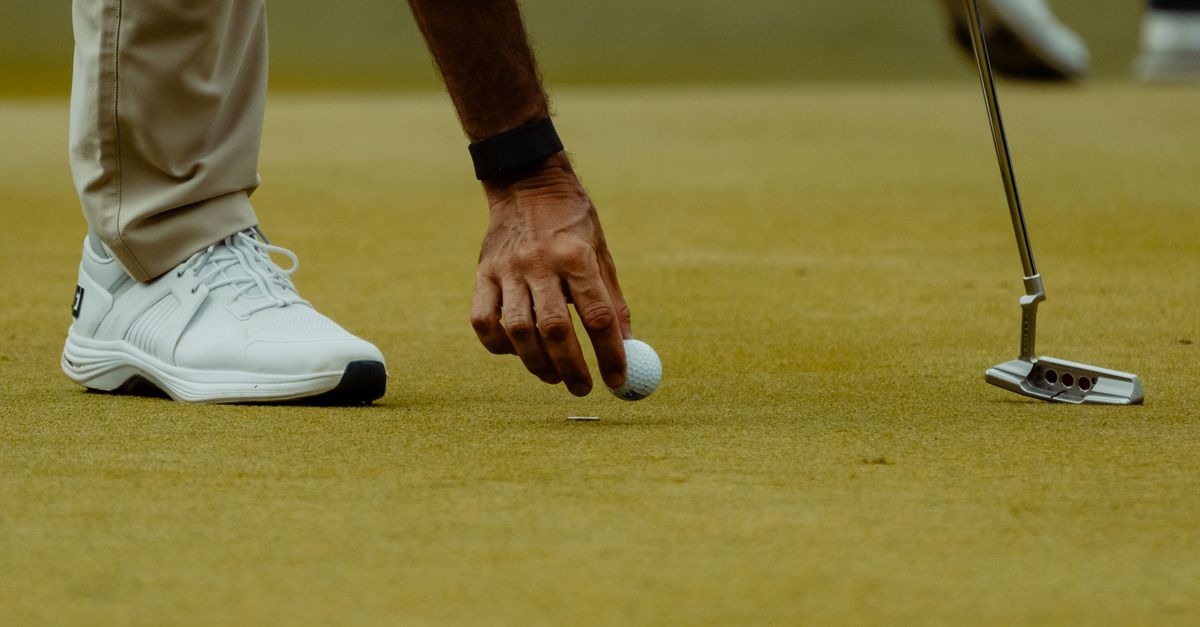
Amateur golfers spend roughly eighty per cent of practice time on the full swing and lose most of their shots inside sixty metres. Twenty minutes of chipping and putting, three times a week, will reduce your score faster than any driver change.
- Verify alignment with sticks at the start of every range session.
- Score every ten-ball block against a specific target and shot shape.
- Cap effort at eighty per cent; take one more club than feels right.
- Give the short game at least a third of your practice time.
- Film your swing from down the line once a week, not every day.

5. Changing three things at once
Golfers are impatient, and coaches sometimes encourage it. Change one variable, keep it for two weeks, then review it on video. Grip, posture and path in the same week will produce a result nobody can attribute to anything. One change, two weeks, one review. That rhythm alone will move a mid-handicap player further than a new driver.