
James Casteel
Assistant coach · July 2, 2025
Archery rewards the athlete who can repeat a boring action perfectly. Most archers who plateau are not short of power or equipment knowledge. They are short of a way to notice what their body did differently on the one arrow that drifted low and left.
The drills below are designed to build that noticing. None of them require more than a target and twenty minutes, and all of them are more useful than shooting another sixty arrows without a purpose.
Blank bale first, score later
Shoot at a bare bale from three metres with your eyes closed for the last two seconds of the draw. You cannot see the target, so the only feedback is the feeling of your back tension and the release. Ten arrows, then open your eyes and shoot ten more. Archers who do this weekly typically report a calmer release within a month, because the shot stops being a score and starts being a sequence.
Group, then move
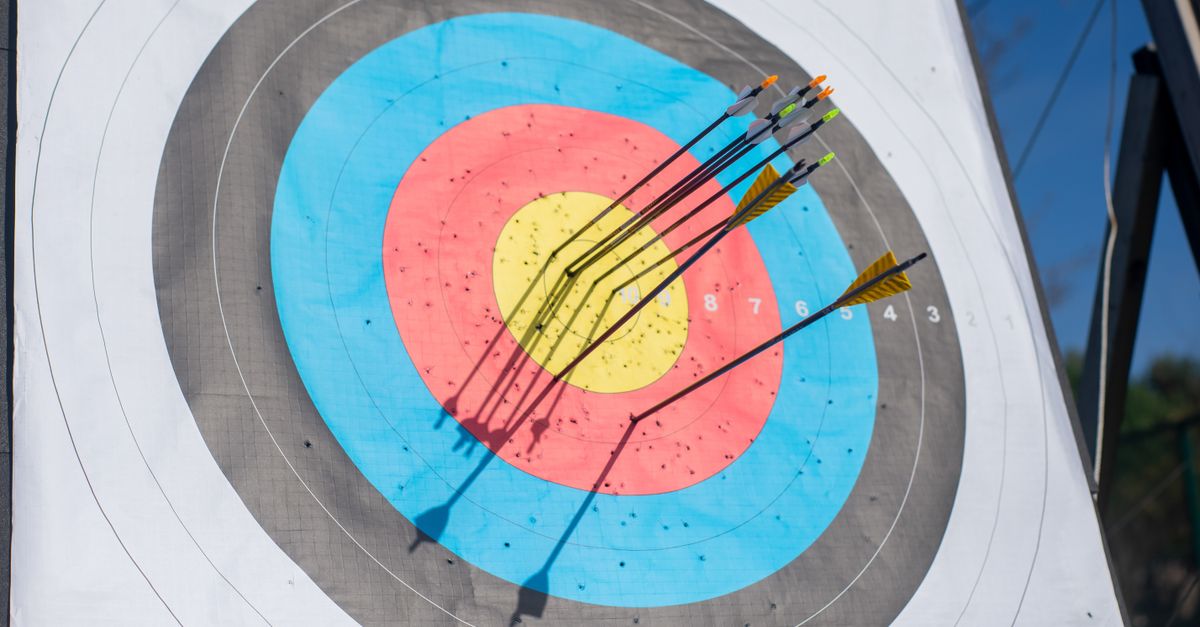
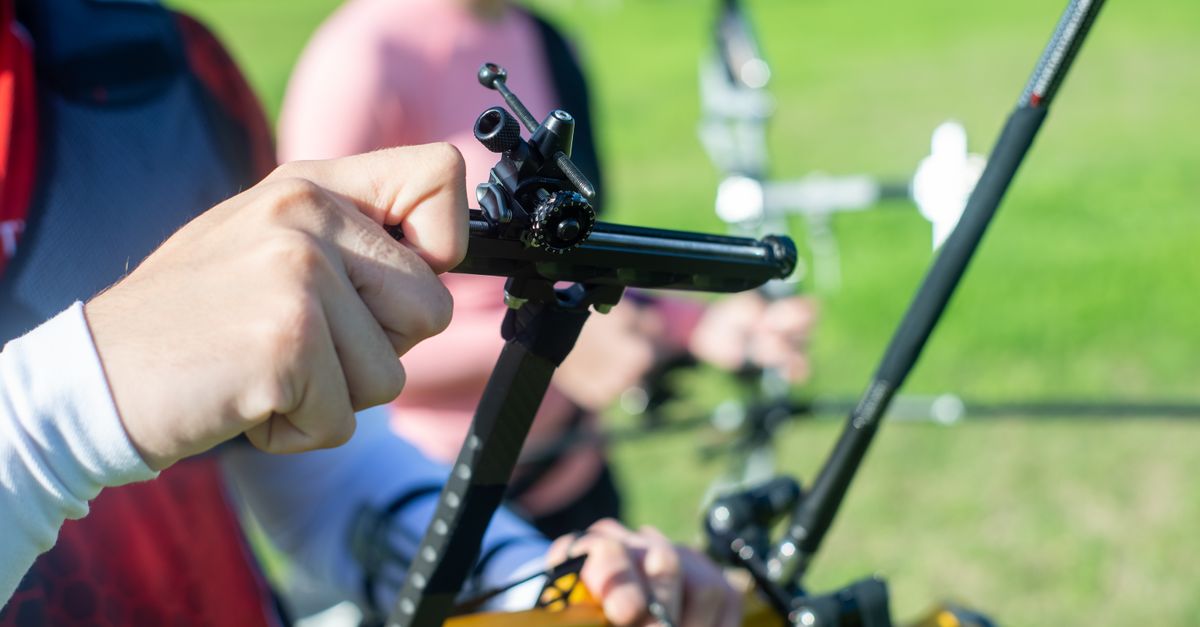
Accuracy is consistency plus adjustment. Separate them. Shoot five arrows and measure the group size only, ignoring where it landed. Then move the sight to bring the group to the centre without shooting again. If you cannot hold a group the size of a fist at eighteen metres, changing the sight will only hide the problem.
- Ten blank-bale arrows, eyes closed at release, every session.
- Five arrows for group size only — never score them.
- Adjust the sight after the group, not during it.
- One drill per week from a kneeling position to expose core instability.
- Log wind direction and time of day; pattern recognition beats memory.
Shoot under mild pressure
Once the sequence is repeatable, add consequence. Shoot one arrow with the agreement that a miss costs ten push-ups, or shoot in front of a training partner who watches in silence. The physical demand is irrelevant; the point is that the shot now has something attached to it, which is what competition does.
Keep this short. Three pressure arrows at the end of a session teaches more than thirty, because fatigue teaches sloppiness rather than composure.
Finally, film yourself from behind at least once a fortnight. Most archers are convinced their anchor is identical every time. The camera usually disagrees, and it disagrees in a way that is far easier to fix than a vague feeling that something is off.